EPISODES
When a Society Rejects God | Romans 1 Explained | TFH #238
What happens when a society becomes so convinced it's right that it can no longer recognize the truth.
In Romans 1:18–26, the Apostle Paul describes the consequences of suppressing the truth, refusing to give God glory, and becoming darkened in our thinking. Pastor Jim Hammond draws on Rick Renner’s Greek word studies to unpack what Paul was saying about a society that turns away from God.
Along the way, he connects these verses to current events, including COVID, January 6, and today's debates surrounding gender, abortion, and cultural change. He also breaks down the progression Paul describes: when people stop honoring God and giving Him thanks, their thinking becomes distorted and their hearts grow dark.
Are We Seeing Matthew 24 Unfold? | The Signs of the End Times | TFH #237
What did Jesus mean when He said, “Nation shall rise against nation, and kingdom against kingdom”?
Jesus described events that would mark the days leading up to His return. But what do these words mean, and how should we understand them in light of the divisions, conflicts, and unrest unfolding around the world? From biblical prophecy and the spiritual implications of cultural change to the warnings found in Leviticus, we examine how Scripture informs our understanding of the world around us.
The episode also includes a phone call with a pastor in France, who shares their firsthand observations about the current student unrest there, bringing an on-the-ground perspective to these end times events
Jesus Warned Us About This Deception | Daniel 11, Matthew 24 | TFH #236
Jesus warned His disciples to “take heed that no man deceive you.”
Jesus gave His disciples specific warnings about the last days. His first warning was not about earthquakes, wars, or famine. It was a warning about deception: He told them to watch, remain alert, and refuse to be deceived. In Matthew 24, Jesus identifies deception as the first sign, followed by wars, conflicts between nations and ethnic groups, famines, pestilences, earthquakes, and other signs. This episode examines these passages alongside Daniel 11, Luke 21, and the account of the days of Noah in Genesis 6.
The Bible doesn't tell us to live in fear of what is coming. It tells us to watch and pray.
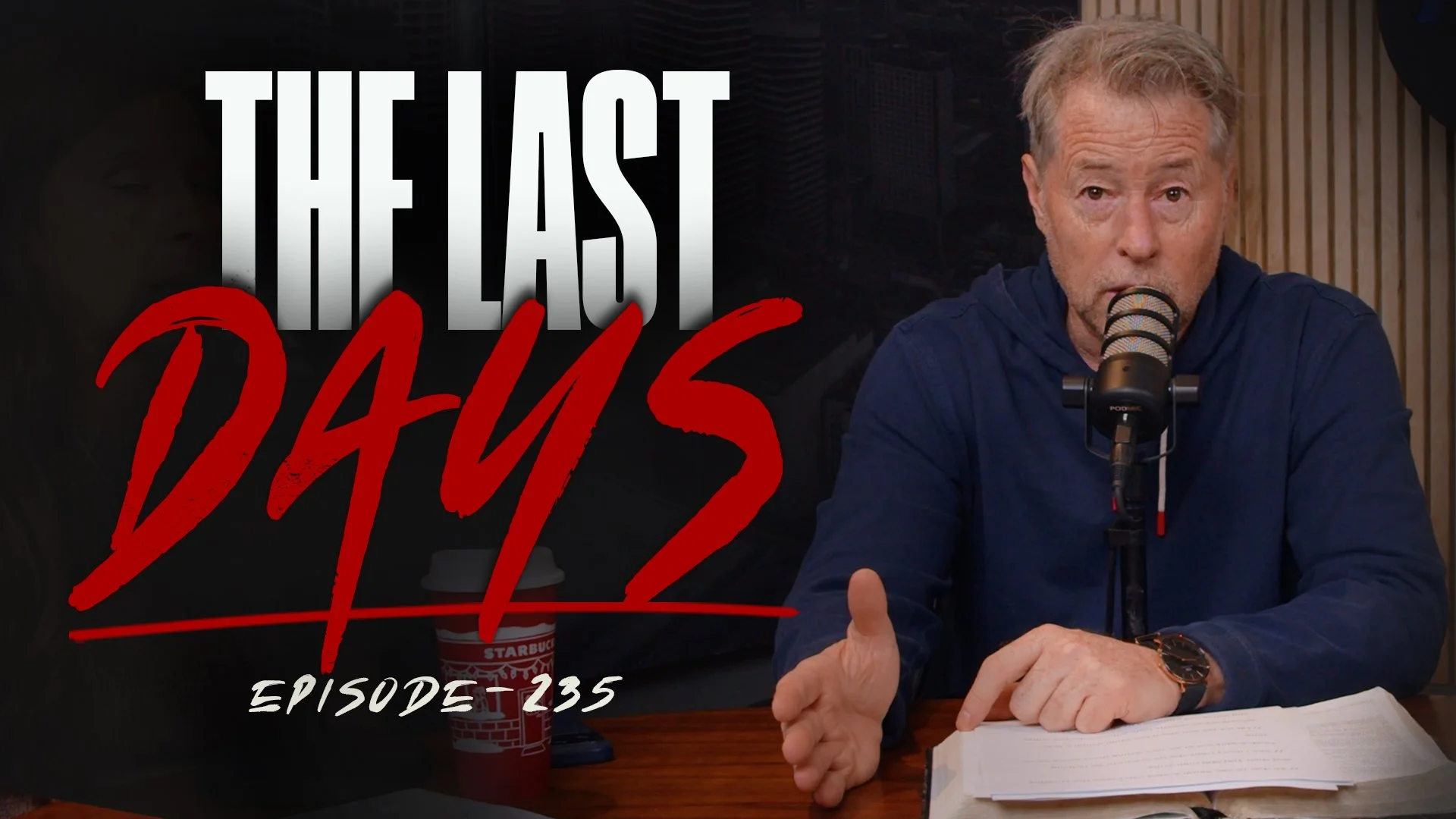
Wars, Famines & Perilous Times | What Jesus Said About The End Times | TFH #235
The Strait of Hormuz is one of the most important energy routes in the world. With disruptions affecting the flow of oil through the region, what could happen if the crisis continues?
The Bible tells us that the last days will be marked by increasing instability. Paul wrote that “perilous times shall come,” while Jesus warned His disciples about wars, nations rising against nations, famines, pestilences and fearful sights. As the world faces uncertainty surrounding war, energy, food, economics and civil unrest, what does Scripture say about the times we are living in? And how should followers of Jesus respond when the world around them becomes increasingly unstable?
The Bible doesn't tell us to live in fear of what is coming. It tells us to watch and pray.
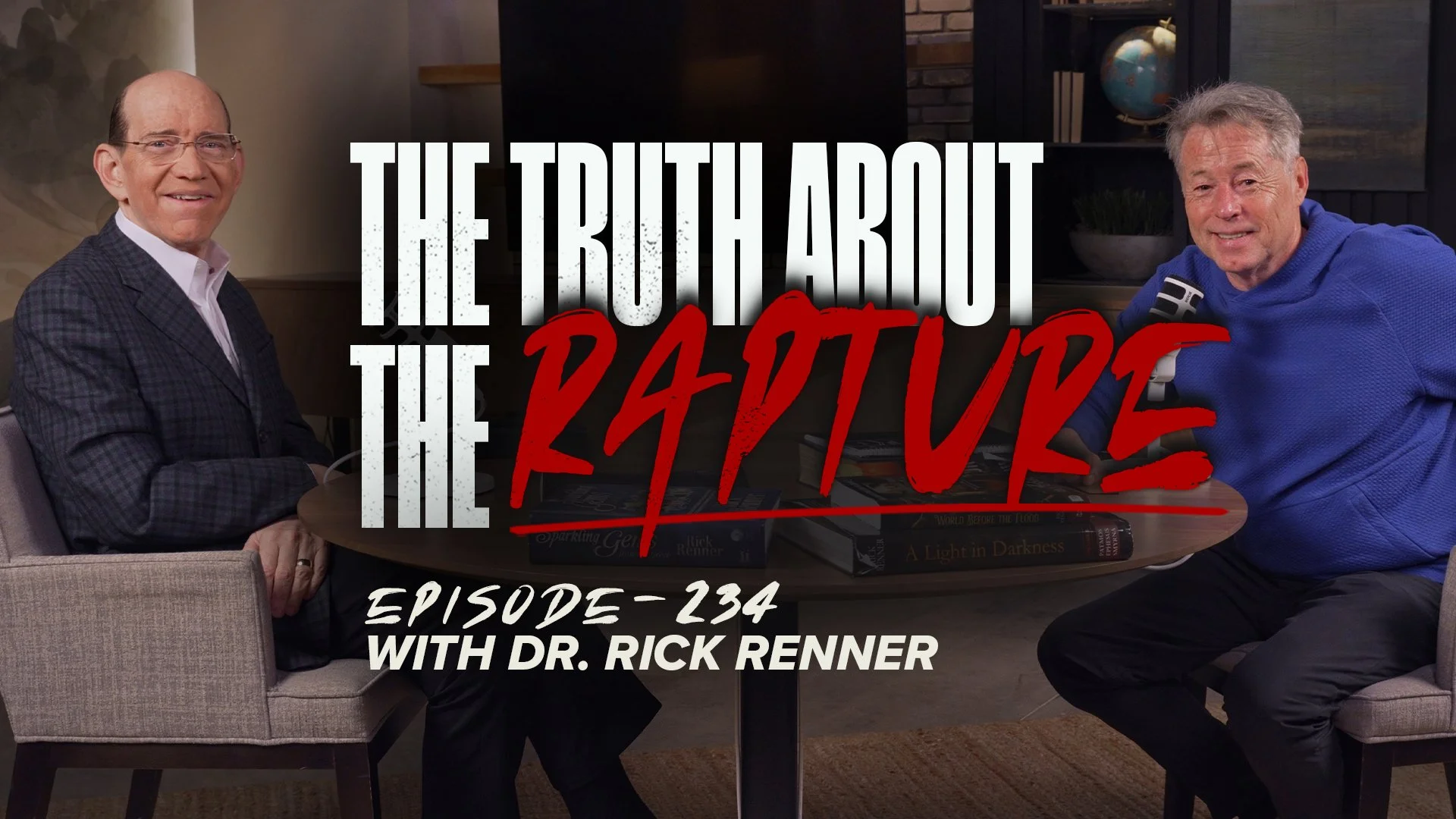
The Rapture, the Man of Lawlessness, and the Ezekiel 28 war | with Dr. Rick Renner | TFH #234
What does the Bible actually say about the Rapture, the End Times, and who will be ready when Christ returns?
Pastor Jim Hammond sits down with Greek scholar and Bible teacher Rick Renner for a deep look at what Scripture says about the last days, salvation, repentance, the Rapture, and the return of Jesus Christ. Much of the conversation centers on 2 Thessalonians 2:1–10, along with passages from 1 John, Daniel, and Ephesians. Together, these Scriptures raise important questions about the Rapture, the falling away, the man of lawlessness, the restraining power described by Paul, and what it means to be spiritually prepared for the return of Christ.
This conversation isn't about trying to predict dates or identify today's headlines with biblical prophecy. It's about going back to the Word of God and understanding what Scripture says about the days ahead.

Is the Holy Spirit Gone After the Rapture? | End Times & A Chili Challenge | TFH #233
Will the Holy Spirit still be on earth after the Rapture?
We take a closer look at Revelation 7:2–8, a passage that takes place after the Rapture and during the seal judgments, along with other biblical passages and commentary from End Times scholars. The discussion examines the Holy Spirit's continued work on earth, the Tribulation, the Rapture, and how we should understand these passages in light of the broader biblical picture.
We also discuss recent developments involving Israel, Syria and Turkey, including military tensions and the growing defense relationships developing across the Middle East.
The Rapture, Sin & the Gift of Righteousness | TFH #232
Does ongoing sin mean a Christian could lose their salvation or be left behind at the Rapture?
Grace is not permission to continue in sin. But neither is the Christian life supposed to be driven by constant fear that one failure has separated you from God. What does it mean to be justified by faith?
What is the relationship between grace and overcoming sin? Does the Bible teach that Christians can be disqualified from the Rapture because of individual sins? And what does the “gift of righteousness” actually mean for the believer?
We’re going straight to Scripture to examine these difficult questions and challenge some common teachings surrounding sin, grace, and the Rapture.
Watch, study the Scriptures, and decide for yourself.
Ananias & Sapphira, Were They Saved? | & Lindsay Clancy, Minnesota Politics | TFH #231
We begin this episode with a deep look at the book of Acts and the distinction between “a certain man,” “a certain Jew,” and “a certain disciple.” We examine Ananias and Sapphira, their judgment in Acts 5, and the broader biblical questions surrounding salvation, sin, holiness, and the assurance of the believer.
From there, we turn to the news and culture, including the Lindsay Clancy case, Minnesota politics and election integrity, state government audits, the upcoming midterms, the WNBA and changing cultural values in sports, the Toronto Tempo controversy, and the growing influence of Islam on American culture.
These are difficult subjects, but Christians shouldn't be afraid to examine them. Scripture gives us a foundation for understanding not only our salvation, but also the culture and world we are living in.
Not Everyone Is Ready for the Rapture | Will You Be Ready? | TFH #230
The rapture of God’s church and Jesus return is not just a subject for prophecy charts and end-times conversations. Scripture tells us to live ready.
Scripture gives us a much bigger picture of what is happening around us, how we should live, what we should be watching for, and how seriously we should take the things God has asked us to steward.
That means taking an honest look at our own lives, being willing to recognize deception, knowing the difference between biblical conviction and emotion, and refusing to let the noise of culture replace the truth of Scripture.
Some things deserve our attention. Some things deserve our prayers. And some things require us to stop, open our Bibles, and ask whether we have gotten too comfortable.
Are you ready?
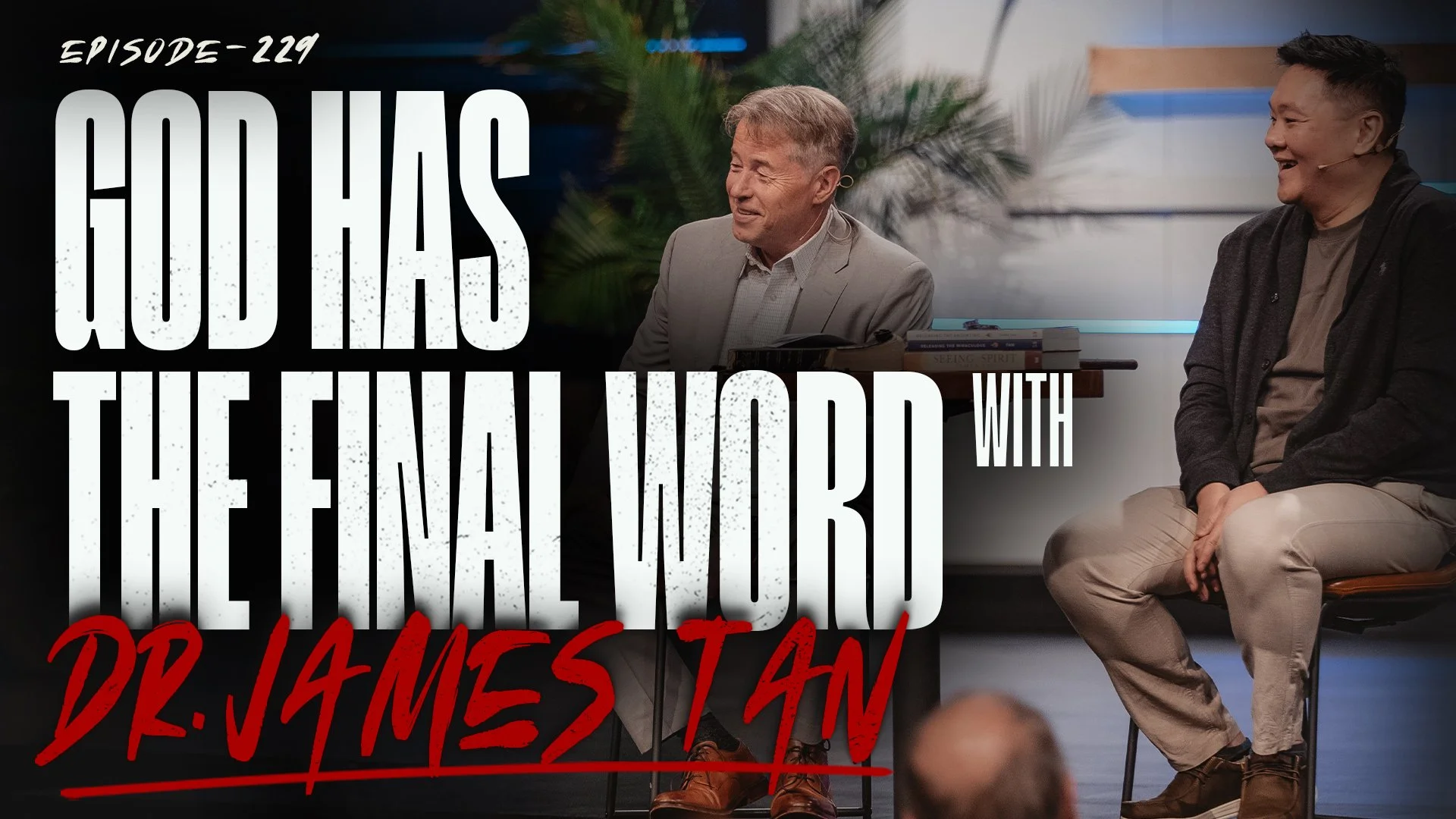
The Accuser, Your Advocate & the Book of Job | with Dr. James Tan | TFH #229
What can the book of Job teach us about God, His grace, spiritual authority, and the way He sees us?
Dr. James Tan joins us again for a wide-ranging conversation that starts in Job 1 and opens up into some bigger questions about Scripture and the Christian life. We talk about the order of heaven, Satan as the accuser, Jesus and the Holy Spirit as our advocate, the difference between condemnation and conviction, and the way God looks at the heart with mercy and grace.
We also explore the story of Micaiah and King Ahab in 1 Kings, biblical righteousness under the New Covenant, order in the Church, and what it means to trust God's character when we don't understand everything He allows.
Subscribe to The Final Hour Podcast for more conversations about Scripture, faith, culture, prophecy, and the world around us.
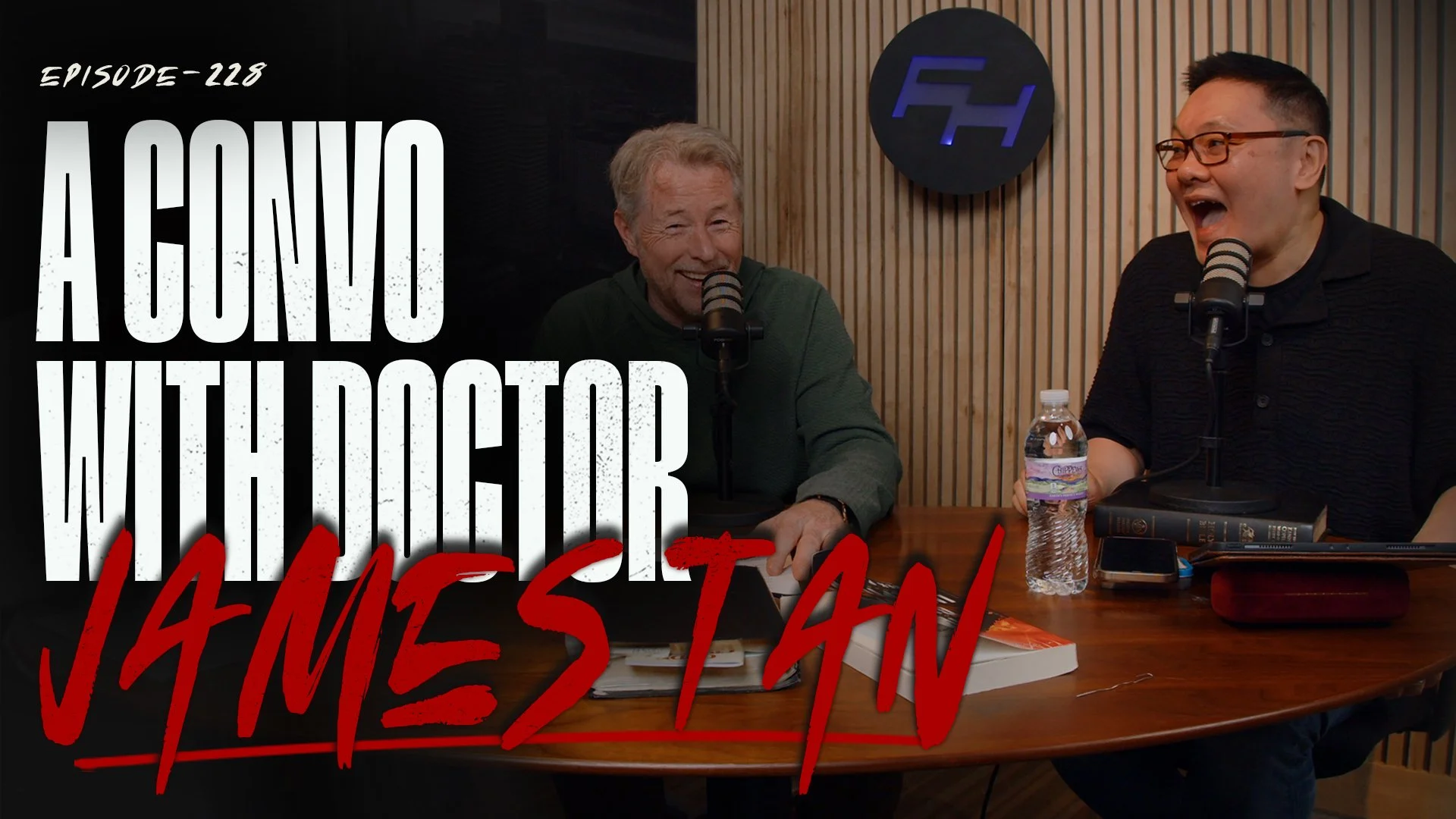
The Things Christians Get Wrong | Holy Spirit, Prophecy, Ministry Ethics | with Dr. James Tan | TFH #228
What do prophecy, spiritual warfare, Panda Express, and the Holy Spirit have in common?
In this wide-ranging conversation, Dr. James Tan joins us for an honest discussion about some of the questions Christians are asking today. From biblical prophecy and the reality of demons to misconceptions about the Holy Spirit, ministry ethics, and discerning God's will, this episode explores what it looks like to stay grounded in Scripture while navigating the supernatural.
Whether you're curious about the gifts of the Spirit, Christian doctrine, church leadership, or simply enjoy thoughtful conversations with experienced ministers, we hope this episode encourages you to grow deeper in your faith and your understanding of God's Word.
If you enjoyed this conversation, be sure to like, subscribe, and share it with someone who loves honest biblical discussions.
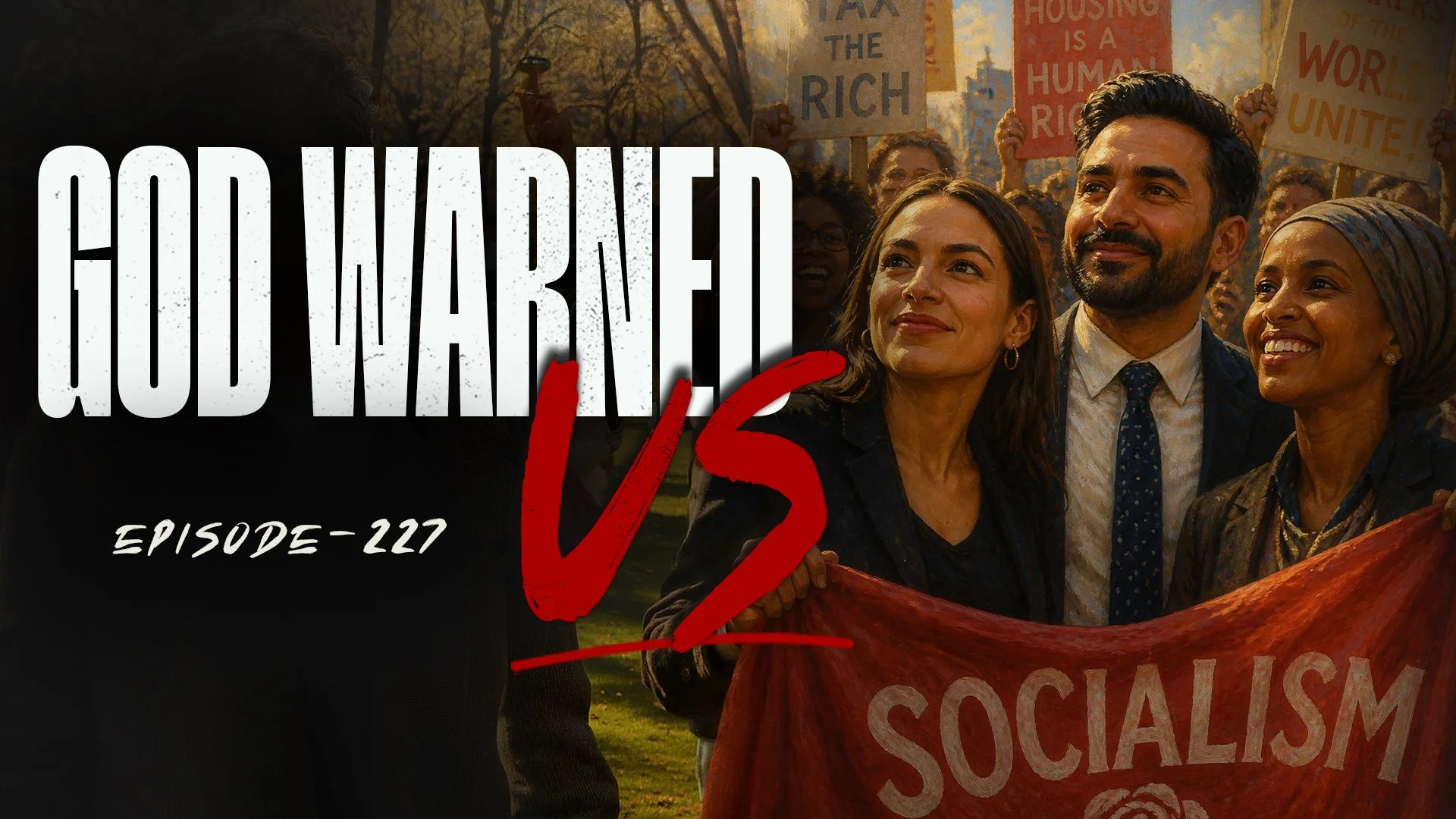
How The Bible Warns Us About Socialism And Events Happening Now | TFH #227
There is a much bigger spiritual battle taking place beneath the surface.
Women's sports, the rise of democratic socialism, government power, private property, public accountability, and the growing battle over truth all point to a culture moving further from biblical principles. Scripture has never been silent about justice, stewardship, personal responsibility, voluntary generosity, or the dangers of unchecked authority.
Exodus, Acts, Corinthians, Isaiah, Samuel, and Thessalonians provide a biblical framework for understanding these issues while challenging believers to think beyond political talking points and examine today's events through the truth of God's Word.
As culture continues to shift, Christians need discernment rooted in Scripture rather than opinions shaped by headlines. Truth does not change with public opinion, and God's Word remains the foundation for navigating an increasingly complex world.
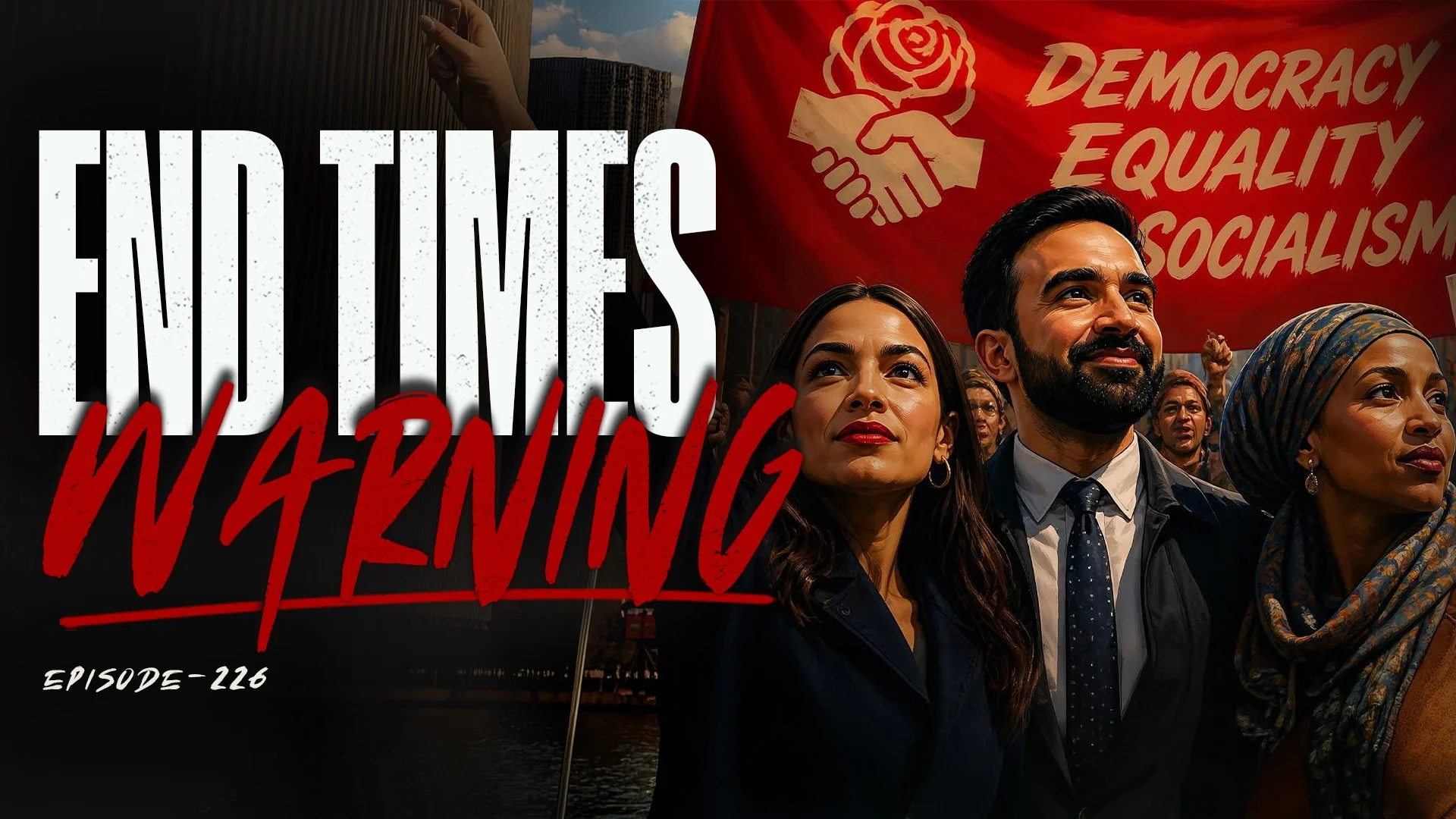
The Bible Warned About This End Times Deception | TFH #226
How should Christians respond when political movements, cultural ideologies, and competing worldviews dominate the headlines? Scripture commands believers to test every spirit, examine everything carefully, and hold fast to what is true.
In this episode of The Final Hour, Jim Hammond, Lonaiah and John examine the growing influence of the Democratic Socialists of America, the historical connection between socialism and communism, government control, economic policy, and why biblical discernment has never been more important. Using passages from 1 John, 1 Thessalonians, Acts, Romans, Proverbs, and 2 Thessalonians, this discussion encourages believers to evaluate current events through the lens of God's Word rather than popular opinion.
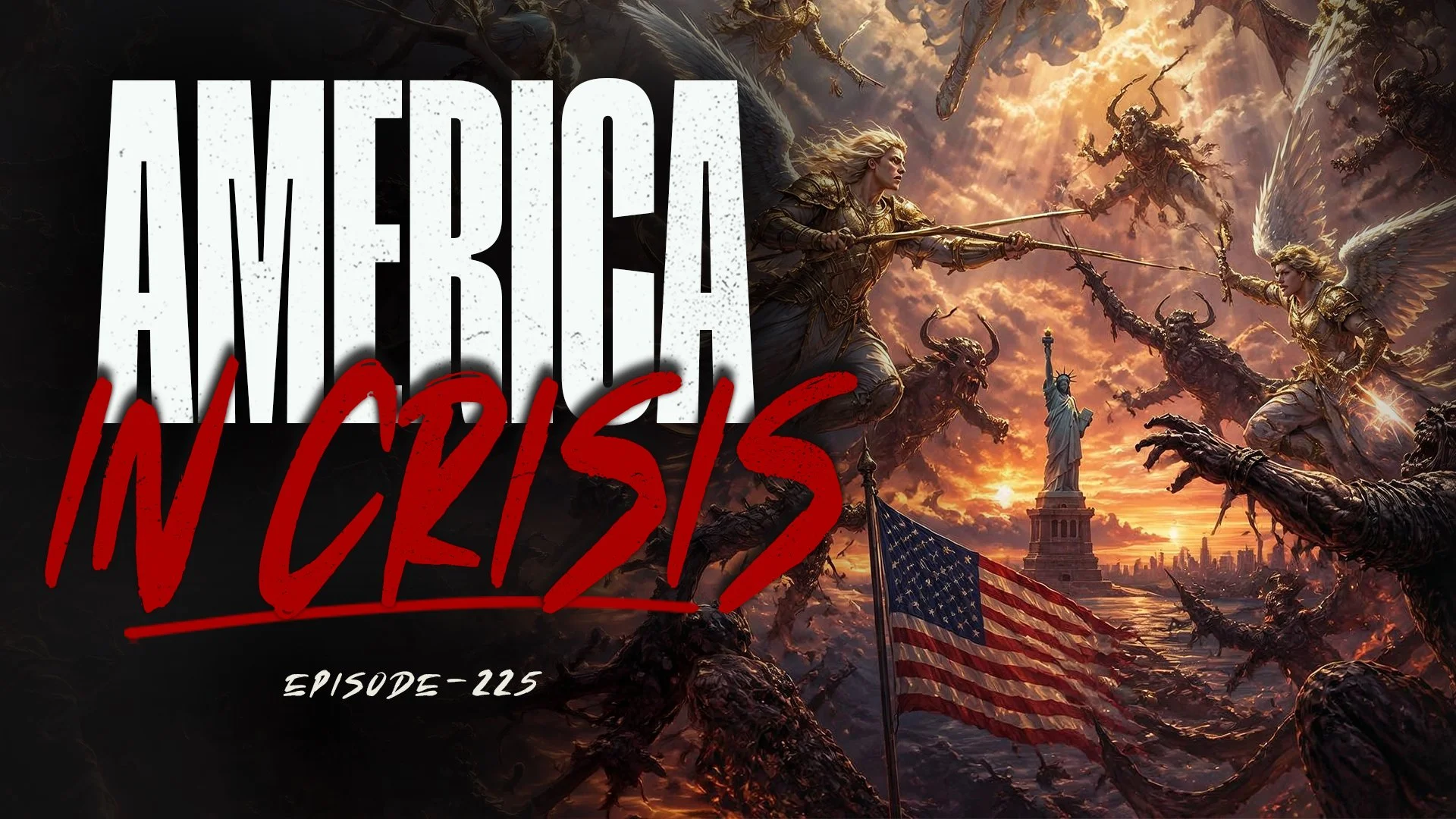
The Spiritual Battle Behind America's Crisis | The Church Can't Stay Silent Anymore | TFH #225
The headlines change every day, but the spiritual battle behind them remains the same.
When a culture begins redefining truth, calling good evil and evil good, the consequences don't stay confined to politics. They show up in families, communities, schools, churches, and every part of society. Scripture has never separated the condition of a nation from the condition of its people, and history repeatedly shows what happens when God's wisdom is exchanged for human philosophy.
If you've been wondering how current events fit into a biblical worldview, or why so many cultural changes seem connected, this conversation offers Scripture, historical perspective, and encouragement to stand firm in faith while navigating the days ahead.
Subscribe for more conversations that connect current events, Bible prophecy, and a biblical worldview.

The Abraham Accords, Globalism, and the End Times | TFH #224
Massive green energy projects, new economic alliances, global investment initiatives, the Abraham Accords, and changing relationships with Israel are reshaping the Middle East faster than many people realize.
Revelation speaks of a powerful religious and economic influence that reaches the nations. As global alliances shift and world leaders pursue new partnerships, many Christians are asking how today's events compare to the prophetic warnings found in Scripture.
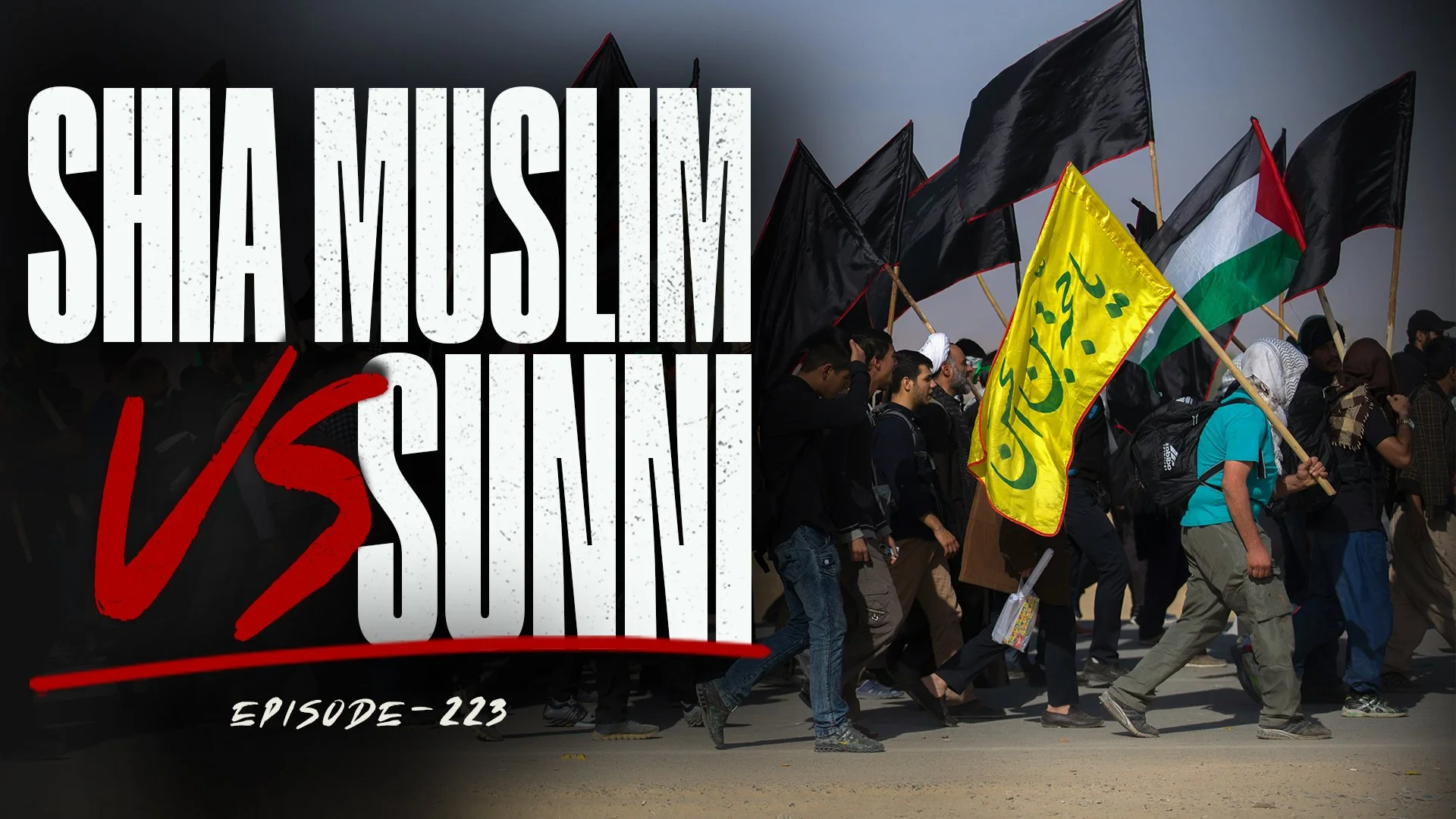
Iran's End Times Beliefs Explained | What Most Christians Don't Know | TFH #223
For decades, many people have viewed the Middle East as a single conflict, but the reality is far more complex. The headlines move fast, alliances seem to change overnight, and it's easy to miss the deeper beliefs driving what we're seeing.
One of the biggest divisions is between Sunni and Shia Islam. Although both trace their roots to Islam, they differ on who should have succeeded Muhammad after his death, and those differences have influenced the politics, alliances, and conflicts of the Middle East for centuries. History and theology often explain what the headlines cannot. Looking at the beliefs behind the conflict provides a clearer picture of why these events continue to unfold and why they matter from both a geopolitical and biblical perspective
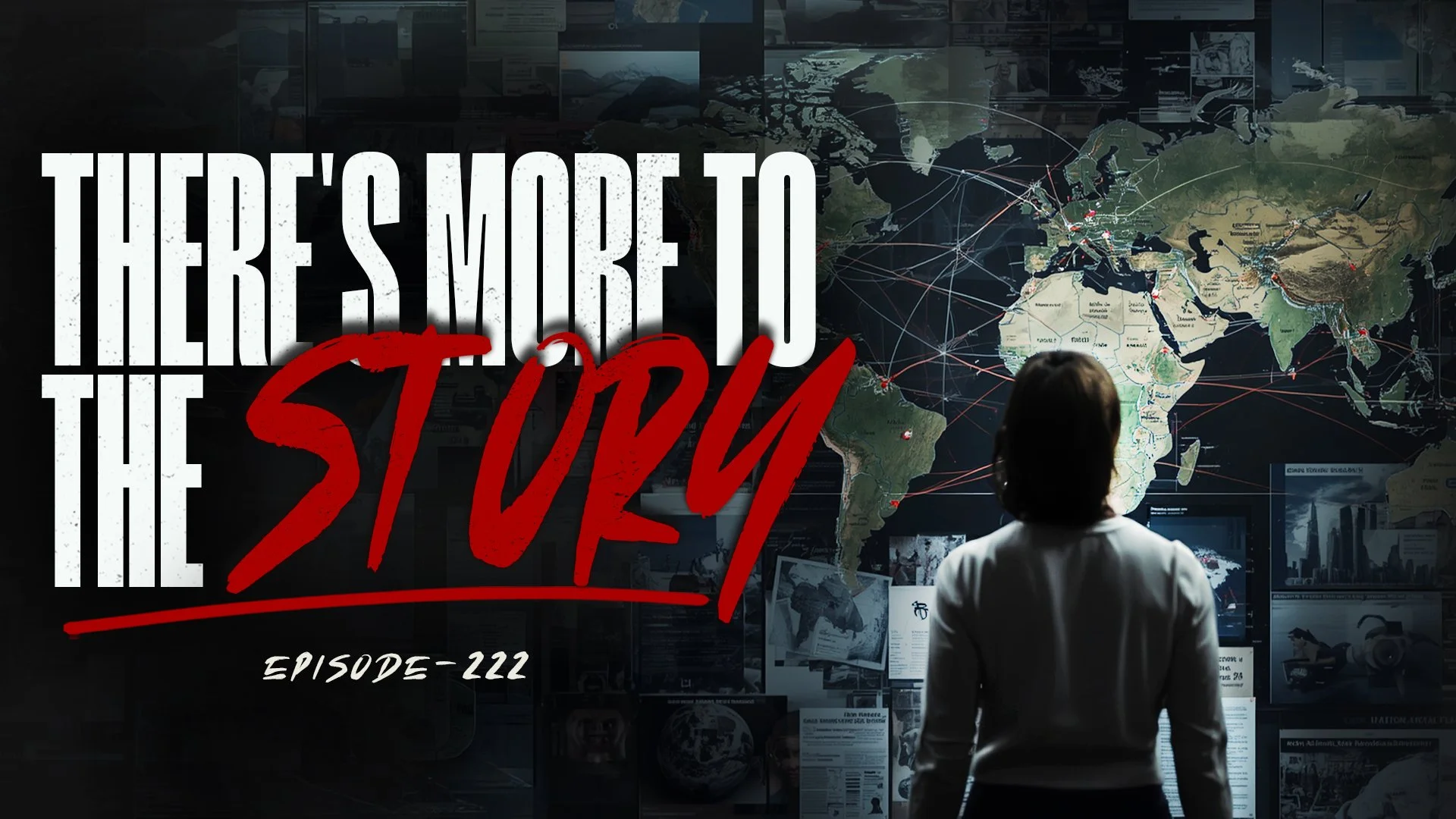
The Media Won't Tell You What's Really Happening in the Middle East | TFH #222
Every day, the headlines demand our attention. Wars, shifting alliances, rising violence, and growing hostility toward Israel. The real answers may not be where most people are looking. As the world continues to change, as Christians we need more than breaking news.
We need biblical discernment. Understanding the times requires looking beyond the headlines, recognizing the larger geopolitical shifts taking place, and filtering everything through the truth of God's Word. There is a bigger story unfolding, one that reaches far beyond Israel, Iran and the Middle East.
From the rise of terrorism in unexpected regions to changing relationships between nations and the increasing persecution of Christians around the world, these developments remind us that Scripture has never been out of step with history.
If you're passionate about Bible prophecy, Israel, current events, and developing a biblical worldview, subscribe and join us each week for conversations that help make sense of today's world through the lens of Scripture.
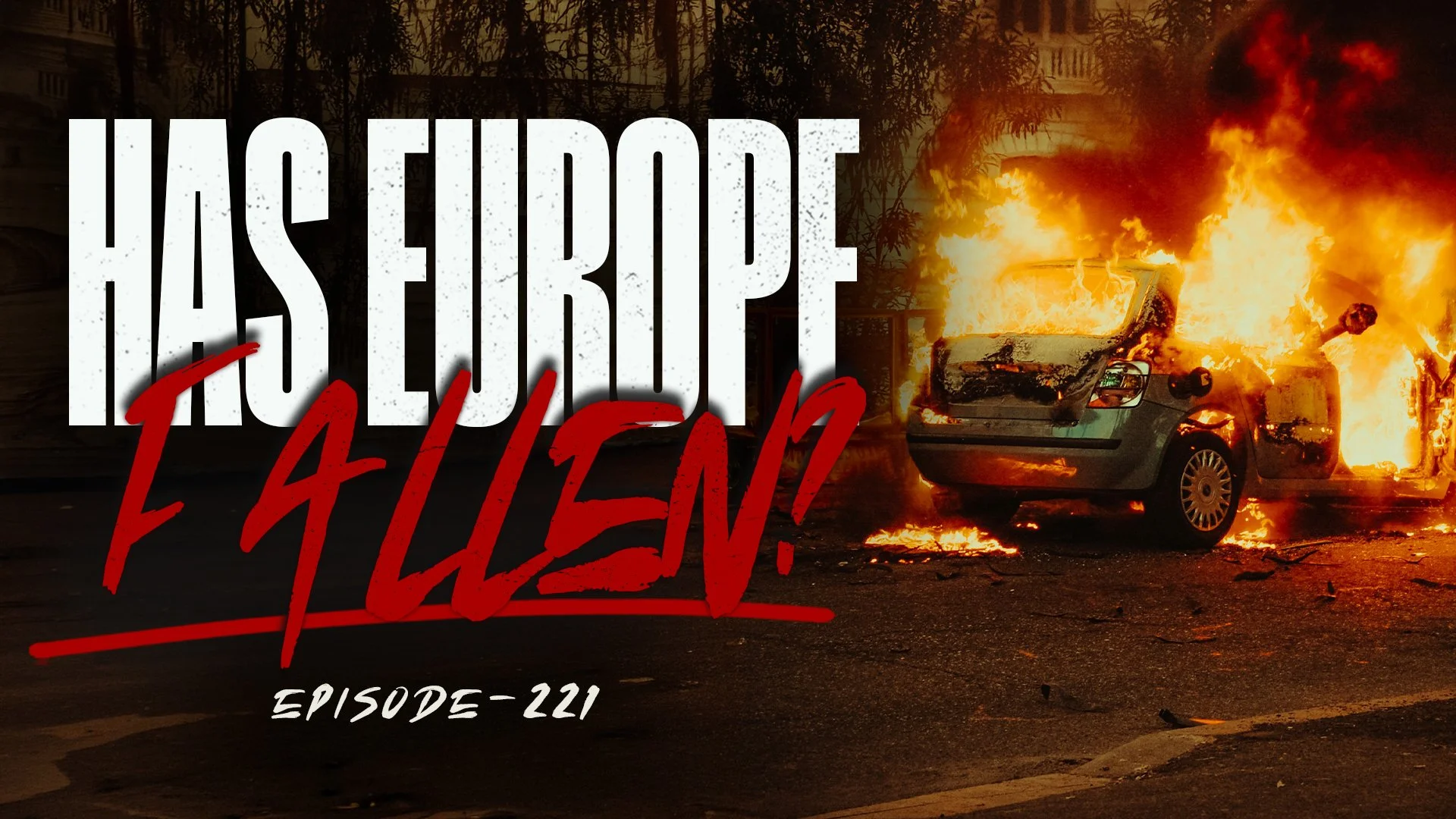
The Border Crisis Is Bigger Than You Think | U.S., United Kingdom, Europe | TFH #221
Many of the challenges facing today’s world are not new. Throughout Scripture, God established boundaries, nations, and landmarks that were meant to provide order, identity, and protection.
From Deuteronomy and Proverbs to Nehemiah and Acts, the Bible offers timeless principles that speak directly to the issues shaping our world today. Every generation faces a choice: preserve the foundations that brought stability and blessing, or replace them with something entirely new risking systematic failure and collapse.
The Battle for the Future of American Christianity | Critical Theory, Wokeism, and the Church | TFH #220
Truth has never been determined by popularity.
Beliefs are constantly being redefined and cultural opinions shift from one generation to the next, many people are asking an important question: Where should we look for truth? The pressure to conform has never been greater. What happens when faith and culture collide? How do believers stay rooted in Scripture while navigating difficult conversations surrounding morality, identity, truth, and the future of the Church?
Examine the foundations of your faith, think critically about the influences shaping modern Christianity, and consider what it means to remain anchored in God's Word in an increasingly uncertain world. At the end of the day, culture will continue to change, but God's Word never will. As believers, our foundation cannot be public opinion, political movements, or the spirit of the age. It must be Jesus Christ and the truth revealed in Scripture. The question is not whether the Bible aligns with culture, but whether our lives align with the Bible.
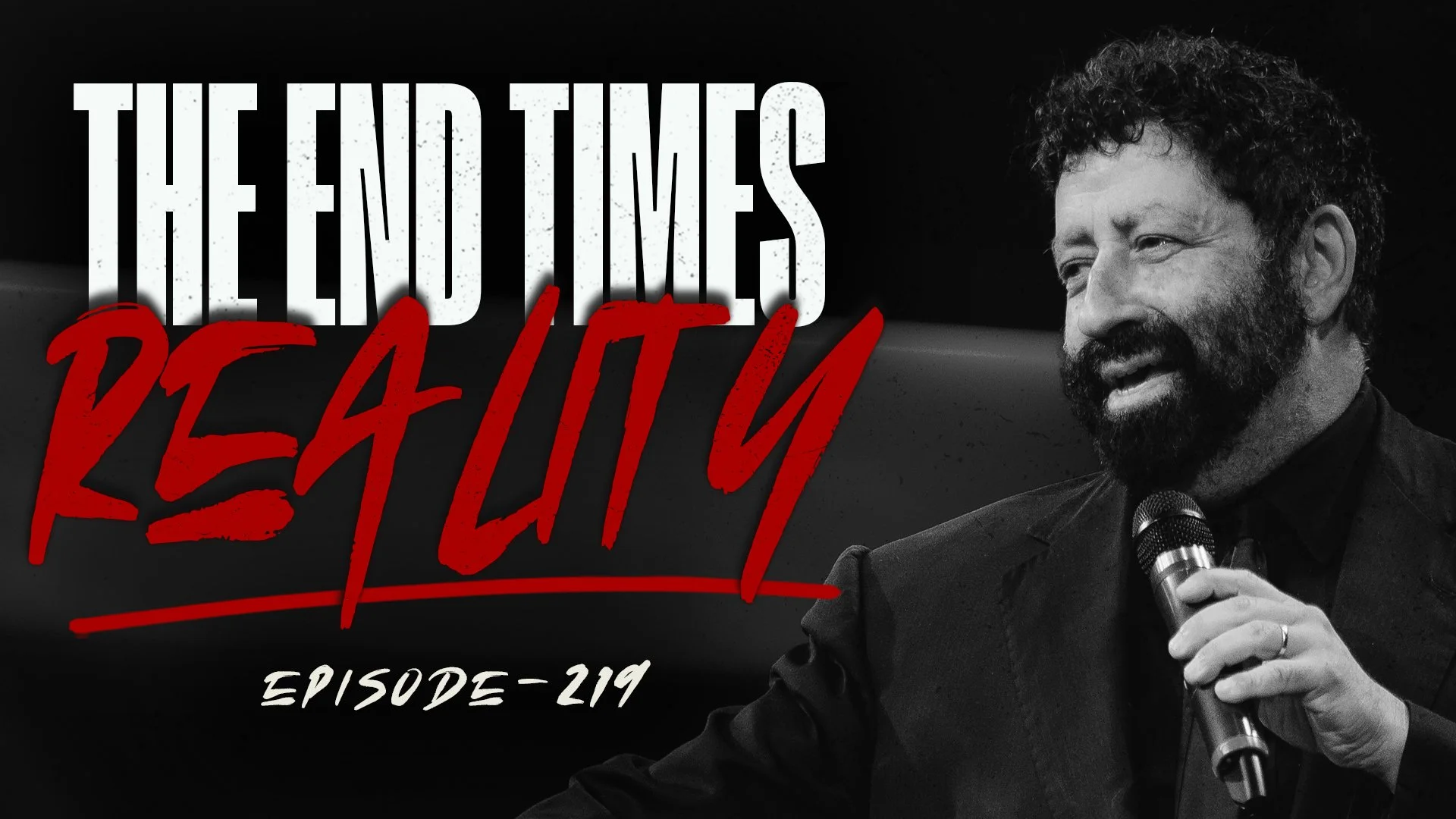
Jonathan Cahn Answers the Biggest End Times Questions Christians Are Asking | TFH #219
What does the Bible really say about the end times, the tribulation, the rapture, spiritual warfare, demons, Nephilim, and the final harvest of souls?
In this special conversation, bestselling author and prophetic voice Jonathan Cahn joins us for an in-depth Q&A covering some of the most debated topics in biblical prophecy and end-times theology.
Together, we explore Old Testament foundations, New Testament revelations, spiritual realities behind world events, and what Scripture reveals about the days leading up to the return of Christ. Whether you're curious about the Book of Revelation, the role of spiritual warfare in the last days, the mystery of the Nephilim, or God's plan for the end-time harvest, our discussion offers biblical insight, practical wisdom, and encouragement for believers seeking truth in a rapidly changing world.
Subscribe for more.